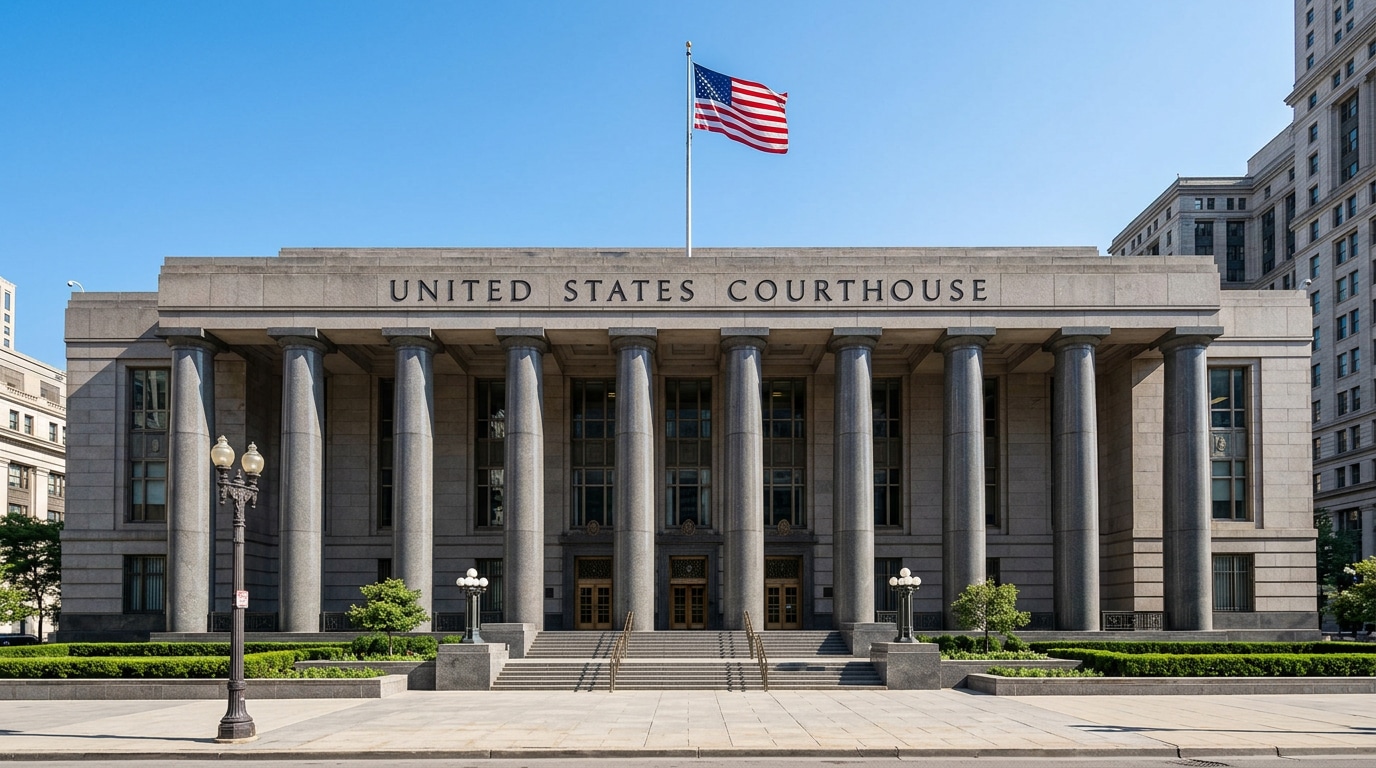
After an adverse federal court ruling in the 7th Circuit, the journey doesn't necessarily end; it shifts to the complex and specialized realm of federal appellate practice. For individuals and businesses in Chicago, Cook County, DuPage County, and across Illinois, understanding this process is critical, as it involves navigating stringent rules, tight deadlines, and a focus on legal rather than factual disputes.
The Law Offices of Michael A. Yashar, led by an attorney admitted to the Illinois bar in 1995 with 31 years of experience, specializes in guiding clients through the intricacies of federal appeals. This article provides a comprehensive overview of what happens after a federal court ruling in the 7th Circuit, outlining the step-by-step process, timelines, costs, and crucial considerations for evaluating whether an appeal is the right path forward.
Understanding the Federal Appellate Process in the 7th Circuit
The federal appellate process in the 7th Circuit begins with a timely filing of a Notice of Appeal, initiating a meticulous review of the district court's proceedings, primarily focusing on errors of law. Unlike a trial, which involves presenting evidence and arguing facts, an appeal is a legal argument presented to a panel of judges, challenging the lower court's application of the law or its procedural decisions.
Initiating the Appeal: The Notice of Appeal
The very first and most critical step in pursuing a federal appeal is filing a Notice of Appeal. This document officially informs the federal district court—such as the U.S. District Court for the Northern District of Illinois, which serves Chicago and Cook County, or the Central and Southern Districts of Illinois—that you intend to challenge its final judgment or an appealable order.
According to Federal Rule of Appellate Procedure (FRAP) 4(a)(1)(A), the Notice of Appeal generally must be filed within 30 days after the date of entry of the judgment or order being appealed. If the United States or one of its officers or agencies is a party, this period extends to 60 days. Missing this deadline is almost always fatal to an appeal, as it is a jurisdictional requirement that cannot typically be waived or extended by the court. This is why immediate consultation with a federal appellate attorney Chicago is paramount after an adverse ruling. The Notice is filed with the clerk of the district court that issued the judgment, not directly with the Court of Appeals.
Assembling the Record on Appeal
Once the Notice of Appeal is filed, the process moves to assembling the "record on appeal." This record consists of the original papers and exhibits filed in the district court, the transcript of proceedings, and a certified copy of the docket entries. It is the appellate court's sole source of information about what occurred in the lower court. The appellant (the party appealing) is responsible for ordering any necessary transcripts from the district court reporter within a specified timeframe. For cases originating in federal courts in Cook County or DuPage County, this means coordinating with the respective court clerks and reporters.
Briefing the Appeal: The Core of the Argument
The most substantial phase of a 7th circuit appeal Illinois is the briefing process. This involves the meticulous preparation and submission of legal briefs, which are written arguments presented to the appellate court judges.
- Appellant's Opening Brief: The appellant files the first brief, arguing why the district court's decision was erroneous. This brief must identify the legal issues, present the relevant facts from the record, cite applicable law, and explain how the district court erred. It must adhere to strict formatting, page limits, and citation rules (FRAP 28, 7th Circuit Local Rule 28).
- Appellee's Response Brief: The appellee (the party defending the district court's judgment) then files a response brief, refuting the appellant's arguments and explaining why the district court's decision should be affirmed.
- Appellant's Reply Brief: The appellant may then file a final reply brief, addressing arguments raised in the appellee's response.
The quality of these briefs is paramount. They require extensive legal research, sophisticated analytical skills, and precise, persuasive writing. A well-crafted brief is often the deciding factor in an appeal, as it directly shapes the court's understanding of the case and its legal issues.
What to Expect After an Adverse District Court Ruling in Illinois
After receiving an adverse federal court ruling in Illinois, clients should expect a rapid shift in focus from proving facts to identifying and challenging legal errors, all within a compressed and unforgiving timeline. The emotional impact of an unfavorable verdict or judgment can be significant, but it's crucial to maintain an objective perspective to evaluate the viability of an appeal.
The first step is typically a detailed consultation with an experienced federal appellate attorney Chicago. This initial meeting is not about relitigating the trial, but about critically assessing the district court's ruling for potential reversible error. The appellate court will not retry the case or hear new evidence; its role is to review the lower court's actions for mistakes in applying the law, interpreting statutes, or adhering to proper procedure. Identifying a clear and substantial legal error is fundamental to a successful appeal. Without a demonstrable legal error, no matter how unfair the outcome may feel, an appeal is unlikely to succeed.
Expect your attorney to scrutinize the district court's final judgment, any interlocutory orders, jury instructions, rulings on motions, and other procedural decisions for grounds for appeal. This objective evaluation is crucial for determining if pursuing an appeal federal ruling Illinois is a sound strategic move.
The Timeline of a 7th Circuit Appeal
The timeline for a 7th Circuit appeal is not only strict but also protracted, typically spanning 12-18 months from the filing of the Notice of Appeal to the issuance of a decision, though this can vary based on case complexity and the court's docket.
Key Milestones and Deadlines
Understanding the sequence of events and the strict deadlines is critical to avoiding forfeiture of appellate rights.
- 30-60 Days: Filing the Notice of Appeal (FRAP 4). This is non-negotiable.
- Within 14 Days of Filing Notice: The appellant must file an appellate docketing statement and jurisdictional statement with the 7th Circuit Court of Appeals (7th Circuit Local Rule 3(c)), providing basic information about the case and the basis for the court's jurisdiction.
- Throughout the next 2-4 Months: The record on appeal is assembled, transcripts are ordered and prepared, and the district court clerk transmits the record to the appellate court.
- Briefing Schedule: Once the record is formally filed, the 7th Circuit will issue a briefing schedule. Typically, the appellant's opening brief is due 40 days after the record is filed or the briefing schedule is issued. The appellee's response brief is due 30 days later, and the appellant's reply brief is due 14 days after that. These deadlines are generally firm, though extensions may be granted in rare circumstances for good cause.
- Oral Argument: After briefing concludes, the case is assigned to a panel of three judges. The court decides whether to schedule oral argument. Oral arguments are not guaranteed in the 7th Circuit; many cases are decided "on the briefs" alone without oral presentation. If scheduled, arguments typically last about 10-20 minutes per side and are usually held several months after briefing is complete. For clients in Cook County or DuPage County, these arguments are typically held in the Everett McKinley Dirksen U.S. Courthouse in Chicago.
- Decision: Following oral argument, or after the case is "submitted" on the briefs, the panel of judges deliberates. The time it takes for a decision to be issued varies widely, from a few weeks to several months, or even longer for highly complex cases. The 7th Circuit publishes its opinions, which can sometimes set precedent.
The federal appellate process moves quickly once initiated, and strict adherence to deadlines is non-negotiable. Any slip-up can jeopardize the entire appeal.
The Costs Associated with a Federal Appeal in Illinois
The costs of a federal appeal in Illinois are substantial and multi-faceted, encompassing court fees, transcription expenses, and significant attorney fees that reflect the highly specialized nature of the work. It's an investment, not a speculative gamble, and clients should understand the financial commitment upfront.
- Filing Fees: The U.S. Court of Appeals for the Seventh Circuit charges a filing fee for initiating an appeal, which is currently $505 (subject to change).
- Transcript Costs: One of the most significant variable expenses is the cost of transcribing the district court proceedings. Depending on the length of the trial or hearings, these costs can range from hundreds to many thousands of dollars.
- Printing and E-Filing Expenses: While many federal appellate courts now accept electronic filings, there may still be costs associated with professional printing, copying, and electronic filing services to ensure compliance with strict formatting rules.
- Attorney Fees: This constitutes the largest portion of the cost. Appellate work is distinct from trial work; it demands intensive legal research, meticulous analysis of the trial record, and sophisticated legal writing. Attorneys who specialize in federal appeals possess a unique skill set and charge fees commensurate with their expertise. These fees are almost exclusively billed hourly, reflecting the significant time investment required for brief writing, statutory interpretation, and legal analysis. Contingency fee arrangements are rare in federal appeals due to the nature of the work and the high risk involved. A qualified appellate lawyer Cook County will provide a detailed fee agreement and a clear understanding of the anticipated costs.
It's essential to have a frank discussion with your chosen federal appellate attorney Chicago about the total potential costs involved before deciding to proceed.
Evaluating Whether a Federal Appeal is Worth Pursuing
Deciding whether to pursue a federal appeal is a strategic, pragmatic decision that requires a cold, objective assessment of several factors: the likelihood of success, the potential benefits weighed against the substantial costs and time commitment, and the overall strategic goals.
- Likelihood of Success: The fundamental question is whether the district court committed a reversible error of law. An appeal is not a second chance to present your case or introduce new evidence; it is a review for legal mistakes. Reversible errors include misinterpretations of statutes, incorrect application of legal precedents, procedural violations, or abuses of judicial discretion. A successful 7th circuit appeal Illinois usually requires identifying a clear, prejudicial error that, if corrected, would likely change the outcome. An experienced appeal federal ruling Illinois attorney can provide a candid assessment of these prospects.
- Impact of the Adverse Ruling: What are the consequences of letting the district court's judgment stand? Is the financial judgment significant? Are there severe non-financial implications such as injunctive relief, professional repercussions, or reputational damage? Understanding the tangible and intangible costs of not appealing is crucial.
- Potential Benefits of Reversal: If successful, what relief can the appellate court provide? It might reverse the judgment outright, vacate it and remand the case for a new trial, or order specific modifications. Clearly defining the desired outcome helps in evaluating the "worth."
- Costs and Time Investment: As discussed, federal appeals are expensive and time-consuming. Can you afford the legal fees and other costs? Are you prepared for the potentially long wait for a decision?
- Settlement Potential: Sometimes, filing an appeal can create leverage for settlement negotiations. Many cases settle during the appellate process, even without a decision from the court of appeals.
- Precedential Value: For some litigants, especially businesses or governmental entities, the precedential value of an appellate decision on a particular legal issue might be worth the cost, even if the direct financial impact is limited.
Michael A. Yashar, leveraging his 31 years of experience, provides candid, practical advice to clients in Chicago, Cook County, DuPage County, and throughout Illinois, helping them thoroughly evaluate these factors and make informed decisions about whether to embark on the demanding journey of a federal appeal.
Frequently Asked Questions About 7th Circuit Appeals
Q: Can I introduce new evidence on appeal in the 7th Circuit? A: No, generally, you cannot introduce new evidence on appeal. The U.S. Court of Appeals for the Seventh Circuit reviews the case based solely on the record that was before the district court. New evidence is almost never allowed, except in extremely rare circumstances that typically do not apply to direct appeals.
Q: What is the standard of review applied by the 7th Circuit? A: The standard of review determines how much deference the appellate court gives to the district court's decision. Common standards include: "de novo" review for questions of law (meaning no deference, the appellate court reviews it anew); "clear error" for findings of fact (meaning the appellate court will only reverse if the district court's findings were clearly erroneous); and "abuse of discretion" for discretionary rulings (meaning the appellate court will only reverse if the district court made a decision no reasonable judge would have made).
Q: Is oral argument guaranteed in the 7th Circuit? A: No, oral argument is not guaranteed in the 7th Circuit. While important for some cases, the decision to hold oral argument is discretionary, and many cases are decided "on the briefs" submitted by the parties without an oral presentation. The court grants oral argument if it determines it would be helpful to the judges in reaching a decision.
Q: What happens if I win my appeal in the 7th Circuit? A: If you win your appeal, the 7th Circuit might reverse the district court's judgment outright, meaning the lower court's decision is overturned. More commonly, the court will "vacate" the judgment and "remand" the case back to the district court with instructions for further proceedings consistent with the appellate court's opinion, which could include a new trial, additional hearings, or entry of a different judgment.
Q: How long does the 7th Circuit typically take to issue a decision after oral argument or submission? A: The time it takes for the 7th Circuit to issue a decision varies significantly. After oral argument or after a case is "submitted" to the panel (if no argument is held), a decision can be issued anywhere from a few weeks to several months, or even longer for particularly complex or novel cases. There is no set timeframe.
Q: Can a settlement be reached during a federal appeal? A: Yes, settlement discussions are common and often encouraged during the federal appellate process. Even after an appeal has been filed and briefs have been exchanged, parties can still negotiate and reach a settlement, which would then lead to a dismissal of the appeal.
Q: What are the primary federal courts in Illinois that fall under the 7th Circuit's jurisdiction? A: The three primary federal district courts in Illinois whose appeals go to the 7th Circuit are the U.S. District Court for the Northern District of Illinois (serving Chicago, Cook County, DuPage County, and surrounding areas), the U.S. District Court for the Central District of Illinois, and the U.S. District Court for the Southern District of Illinois.
Navigating the federal appellate landscape requires not only deep legal knowledge but also a strategic approach and a meticulous eye for detail. The stakes are often high, and the process is unforgiving. If you are facing an adverse federal court ruling in Chicago, Cook County, DuPage County, or anywhere in Illinois, seeking counsel from a highly experienced federal appellate attorney Chicago is essential. Michael A. Yashar, with 31 years of experience and admitted to the Illinois bar since 1995, brings a wealth of knowledge and a track record of dedicated advocacy to every federal appeal. Contact the Law Offices of Michael A. Yashar today for a consultation at (312) 420-0333.
This article is for informational purposes only and does not constitute legal advice. For advice about your specific situation, contact the Law Offices of Michael A. Yashar at (312) 420-0333.