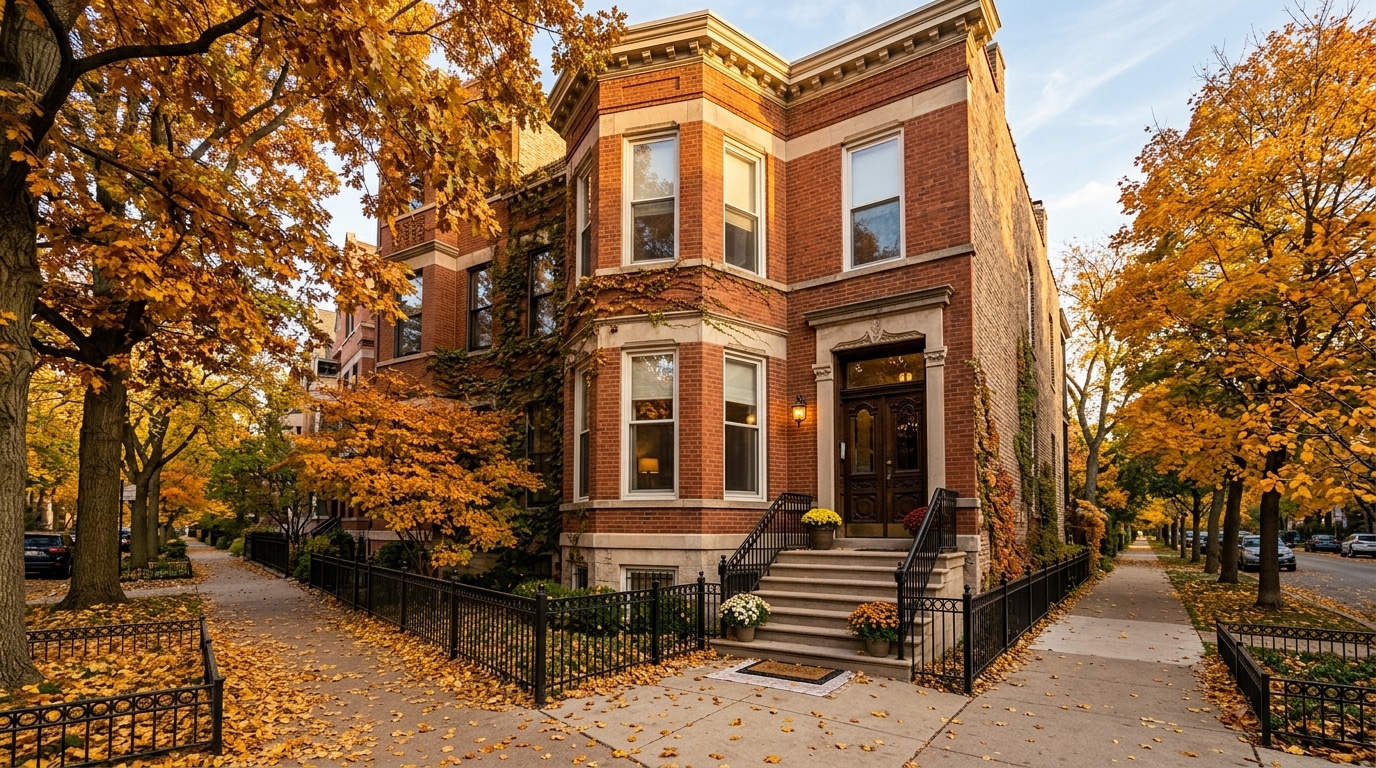
Navigating fall real estate in Cook County requires understanding market trends, closing costs, and potential title issues unique to older Chicago homes. For many, the crisp autumn air signals more than just changing leaves; it marks a distinct shift in the real estate market. In Cook County, with its diverse urban and suburban landscapes, this season presents unique opportunities and challenges for both buyers and sellers. Successfully traversing a fall real estate transaction, especially in a dynamic market like Chicago and its surrounding suburbs, demands a keen understanding of local nuances, from fluctuating closing costs to deeply rooted title complexities in historic properties.
With 31 years of dedicated experience in Chicago real estate law and brokerage, Michael A. Yashar brings unparalleled insight into the intricacies of property transactions across Cook County and beyond, including DuPage County. His firm is committed to empowering clients with the knowledge and robust legal representation needed to achieve successful outcomes, whether you're purchasing your first home, selling an investment property, or navigating complex commercial deals.
Understanding Fall Real Estate in Cook County: Trends and Opportunities
The fall real estate market in Cook County often presents a unique blend of cooling demand and motivated participants, which can translate into distinct opportunities for both buyers and sellers. As the peak summer selling season wanes, the urgency that often characterized spring and summer markets may subside slightly, leading to potentially less frenetic bidding wars and more room for negotiation. However, this doesn't mean a slow market. Instead, buyers entering the market in autumn are typically serious, often having missed out on summer opportunities or preferring to settle into a new home before the winter holidays. For sellers, this means engaging with a more focused pool of prospective purchasers.
In fall real estate Cook County, specific trends emerge based on location. In the bustling heart of Chicago, where inventory can remain tighter year-round, fall might see a slight increase in days on market but often sustained property values, particularly in desirable neighborhoods. Conversely, in many Cook County suburbs and DuPage County, the slower pace can offer buyers a chance to explore more options without intense competition, potentially finding better value or more favorable terms. Interest rates, a perennial concern, can influence buyer affordability. While rates fluctuate, serious fall buyers often factor these into their long-term financial planning, making them less reactive to minor shifts. Working with an experienced real estate attorney like Michael A. Yashar can provide a strategic advantage, helping you interpret market signals, understand potential interest rate impacts, and position yourself effectively, whether you're making an offer or fielding one. This seasonal window, characterized by committed participants and often clearer market dynamics, can be an excellent time to achieve your real estate goals with the right guidance.
Deciphering and Negotiating Closing Costs in Chicago
Successfully closing a real estate transaction in Chicago involves navigating a complex landscape of closing costs Chicago, which are the various fees and charges due at the time the property title officially transfers. These costs can significantly add to the total expense of buying or selling a home, typically ranging from 2% to 5% of the purchase price, and understanding them is crucial for effective budgeting and negotiation. For buyers, common closing costs include loan origination fees, appraisal fees, credit report fees, survey costs, title insurance premiums, attorney fees, recording fees, and property tax prorations. Sellers, on the other hand, typically cover real estate broker commissions, transfer taxes (discussed in detail below), and possibly a portion of the buyer's title insurance premium, depending on negotiation and local custom.
Negotiating closing costs is a vital part of the real estate process, and an experienced attorney can be an invaluable asset. While some costs, like certain lender fees, are non-negotiable, many others are open to discussion between the buyer and seller. For instance, the allocation of title insurance premiums, survey costs, or even specific repair credits can be negotiated into the contract. In Chicago, it’s common for the seller to pay for the owner’s title insurance policy, but this isn't universally true across all Cook County municipalities. Attorney Michael A. Yashar guides clients through these intricate negotiations, identifying which costs can be challenged, who typically bears responsibility for specific fees in a given market segment, and how to structure offers or counter-offers to minimize your financial outlay. His deep understanding of local practices and statutory requirements helps ensure that clients are not only prepared for all financial aspects of closing but also positioned to achieve the most favorable terms possible.
Common Title Issues in Older Chicago Homes and How to Address Them
Purchasing an older home in Chicago often comes with charm, character, and sometimes, a unique set of title issues Chicago homes frequently present, which can complicate or delay a closing if not properly identified and resolved. A clear title is fundamental to a secure property transfer, guaranteeing that the seller has the legal right to transfer ownership and that no hidden claims or encumbrances will affect the buyer's future enjoyment of the property. In historic Chicago properties, the chain of title can stretch back decades, or even a century, increasing the likelihood of historical errors, unrecorded interests, or overlooked legal hurdles.
Common title issues in older Chicago homes include:
- Unreleased Mortgages or Liens: Older records may show mortgages or liens that were paid off but never formally released from the public record.
- Estate and Probate Issues: If a previous owner passed away without a clear will or proper probate proceedings, clear title may not have been established for their heirs, leading to potential claims.
- Easements and Encroachments: Historic properties may have undocumented easements (e.g., utility access, shared driveways) or encroachments (e.g., a garage built slightly over a property line) that can impact property use or value.
- Boundary Disputes: In densely packed Chicago neighborhoods, property lines can become ambiguous over time due to fences, additions, or changes in adjacent properties.
- Fraud or Forgery: Though rare, historical instances of forged documents or fraudulent transfers can surface during a thorough title search.
- Missing Heirs: If a previous owner's estate wasn't fully settled, unknown heirs could theoretically lay claim to the property.
Addressing these issues typically involves a comprehensive title search conducted by a title company, often spanning decades of records housed at the Cook County Recorder of Deeds and the Clerk of the Circuit Court of Cook County. This search reveals potential defects, which are then underwritten by a title insurance policy. Attorney Michael A. Yashar plays a critical role here, meticulously reviewing title commitments, identifying any exceptions or clouds on title, and working with title companies to resolve them before closing. This might involve initiating quiet title actions, securing affidavits from long-time residents, or negotiating with lienholders. For example, issues stemming from unadministered estates may require a skilled attorney to navigate the Illinois Probate Act of 1975 (755 ILCS 5/) to ensure proper heirship and clear title transfer. His proactive approach safeguards clients against future legal challenges, ensuring a clear and marketable title upon closing.
The Illinois Attorney Review Period: Your Critical Window
In Illinois, the Illinois attorney review real estate period is a crucial safeguard for both buyers and sellers, providing a critical window for legal counsel to examine and potentially modify the real estate contract. Typically lasting five business days from the date of mutual acceptance of the contract, this period allows attorneys to review the agreement's terms, identify potential issues, and propose changes that are in their client's best interest. It’s an essential phase that prevents clients from being locked into a legally binding contract without adequate professional oversight.
During the attorney review period, your attorney can:
- Propose Modifications: This is the most common use. Attorneys can suggest changes to contract clauses, such as contingencies for financing, inspections, or sale of a prior home. They can also address specific disclosures under the Residential Real Property Disclosure Act (765 ILCS 77/).
- Review Inspection Reports: While the actual home inspection is usually arranged separately, the attorney review period often runs concurrently with the inspection contingency. Your attorney will review inspection reports, discuss significant findings with you, and negotiate with the other party for repairs, credits, or a price reduction if substantial defects are found.
- Clarify Ambiguities: Real estate contracts can be complex. An attorney ensures that all terms are clear, unambiguous, and accurately reflect your intentions and understanding.
- Address Legal Concerns: Your attorney will identify any potential legal risks, such as easements, zoning issues, or title discrepancies that may not have been fully apparent in the initial offer.
- Terminate the Contract: If satisfactory agreement on modifications cannot be reached, or if significant issues arise (e.g., a devastating inspection report or unresolvable title defect), the attorney can, in certain circumstances, terminate the contract without penalty during this period.
It is imperative to engage an attorney immediately upon entering into a real estate contract. Delaying this engagement can jeopardize your ability to effectively use this review period. Michael A. Yashar emphasizes the proactive involvement of legal counsel during this phase, ensuring that clients fully understand their contractual obligations and rights. His 31 years of experience allow him to swiftly identify critical contract points, negotiate effectively on your behalf, and provide peace of mind that your interests are thoroughly protected during this pivotal stage of the transaction. This review period is not merely a formality; it is a fundamental pillar of consumer protection in Illinois real estate.
Understanding Cook County Transfer Tax 2026: Chicago vs. Suburbs
Understanding Cook County transfer tax 2026 is essential for anyone buying or selling real estate in the area, as these taxes represent a significant closing cost that varies depending on the specific municipality. Illinois imposes transfer taxes at the state, county, and often the municipal level, and who pays which portion is typically determined by local custom or negotiation.
Here's a breakdown:
- Illinois State Transfer Tax: As of 2026, the state transfer tax is $1.00 per $1,000 of the sale price (or $0.50 per $500). This tax is typically paid by the seller. The statutory basis for this is found in the Illinois Real Estate Transfer Tax Law (35 ILCS 200/31-1 et seq.).
- Cook County Transfer Tax: Cook County imposes an additional transfer tax of $0.50 per $1,000 of the sale price. This is also customarily paid by the seller.
- City of Chicago Transfer Tax: Chicago has its own, much higher transfer tax, making it a significant cost factor within the city limits. As of 2026, the City of Chicago transfer tax is $5.75 per $1,000 of the sale price. Unlike the state and county taxes, the Chicago transfer tax is split between the buyer and seller. Typically, the seller pays $3.75 per $1,000, and the buyer pays $2.00 per $1,000.
Total Transfer Taxes (per $1,000 of sale price):
- Outside Chicago (within Cook County, e.g., Evanston, Oak Park, Schaumburg):
- Seller pays: $1.00 (State) + $0.50 (Cook County) = $1.50 per $1,000.
- Buyer pays: Typically $0.00 (unless negotiated otherwise).
- Some suburban municipalities also have their own transfer taxes (e.g., Evanston, Skokie, Park Ridge), which can add another $3.00 to $10.00 per $1,000, often paid by the seller. It’s crucial to verify the specific municipal tax for your location within Cook County or DuPage County, as these rates can vary widely.
- Within Chicago City Limits:
- Seller pays: $1.00 (State) + $0.50 (Cook County) + $3.75 (Chicago) = $5.25 per $1,000.
- Buyer pays: $2.00 (Chicago) per $1,000.
This disparity underscores why precise legal counsel is vital. When structuring a real estate contract in Cook County, particularly in Chicago, attorney Michael A. Yashar ensures that clients clearly understand their financial responsibilities concerning transfer taxes. He provides accurate calculations, explains the customary divisions, and helps negotiate terms that protect your financial interests, ensuring no surprises at the closing table.
The Advantage of Experienced Legal Counsel in Cook County Real Estate
Navigating the complexities of real estate in Cook County, especially during the fall market with its unique rhythms, demands more than just a real estate agent. It requires the seasoned expertise of a dedicated legal professional who understands the local landscape, statutory requirements, and potential pitfalls. Whether you are a first-time homebuyer, a seasoned investor, or a commercial entity, the nuances of property transactions – from meticulously reviewing contracts during the Illinois attorney review period to resolving intricate title issues Chicago homes often present – necessitate comprehensive legal guidance.
With 31 years of experience in Illinois real estate law, Michael A. Yashar provides robust representation and personalized advice, ensuring that your interests are protected at every stage of the process. His in-depth knowledge of fall real estate Cook County trends, strategies for negotiating closing costs Chicago, and expertise in unraveling complex Cook County transfer tax 2026 implications empower clients to make informed decisions and achieve successful outcomes. Don't leave your significant real estate investment to chance.
For unparalleled legal guidance in your Cook County or DuPage County real estate transaction, contact the Law Offices of Michael A. Yashar today at (312) 420-0333.
Frequently Asked Questions
Q: What are the typical closing costs for a buyer in Chicago? A: For buyers in Chicago, typical closing costs include loan origination fees, appraisal and credit report fees, attorney fees, title insurance endorsements, recording fees, and a portion of the Chicago transfer tax ($2.00 per $1,000 of the purchase price). These can range from 2% to 5% of the purchase price, not including the down payment.
Q: How long is the attorney review period in Illinois? A: The standard attorney review period in Illinois is five business days from the date of mutual acceptance of the real estate contract. During this time, attorneys for both parties can propose modifications to the contract.
Q: What is the difference between state and county transfer tax in Illinois? A: The Illinois state transfer tax is $1.00 per $1,000 of the sale price, and the Cook County transfer tax is an additional $0.50 per $1,000. Both are customarily paid by the seller. Chicago also has its own municipal transfer tax, which is significantly higher and split between buyer and seller.
Q: Can I waive attorney review in Illinois? A: While it is legally possible to waive the attorney review period, it is strongly advised against. Waiving this crucial safeguard means you forego the opportunity for an attorney to review the contract, identify potential issues, and negotiate on your behalf before you are legally bound, potentially exposing you to significant risks.
Q: What are common title problems with old houses in Chicago? A: Common title problems in older Chicago homes include unreleased mortgages or liens, probate issues from previous owners, undocumented easements or encroachments, boundary disputes, and historical errors in public records. A thorough title search and title insurance are essential to protect against these.
Q: Is fall a good time to buy real estate in Cook County? A: The fall real estate market in Cook County can be advantageous for buyers due to potentially less competition compared to the peak summer season and more motivated sellers looking to close before winter. However, market conditions vary, and professional guidance is key to identifying opportunities.
Q: Who typically pays for title insurance in a Cook County real estate transaction? A: In Cook County, it is customary for the seller to pay for the owner's title insurance policy, which protects the buyer's ownership rights. The buyer typically pays for a separate lender's title insurance policy if they are obtaining a mortgage.
This article is for informational purposes only and does not constitute legal advice. For advice specific to your situation, contact the Law Offices of Michael A. Yashar at (312) 420-0333.