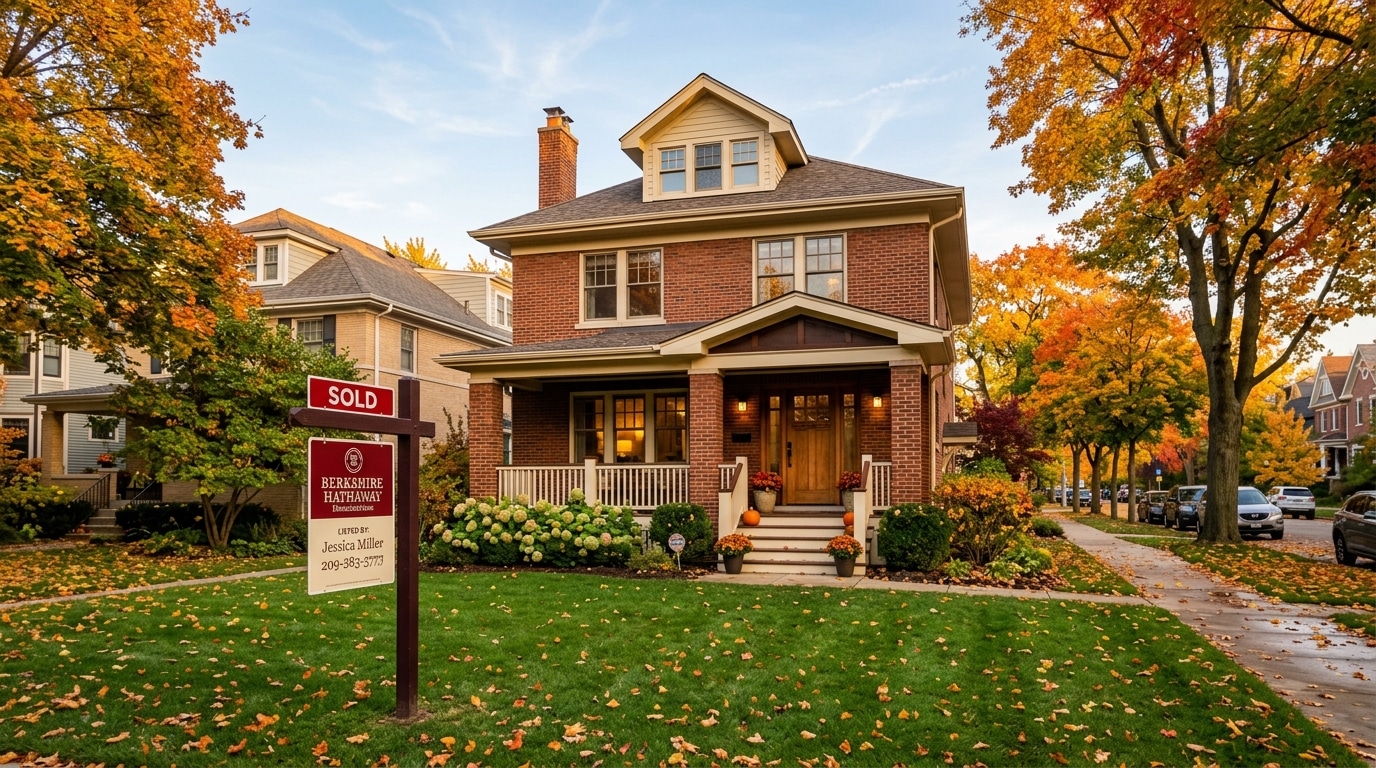
Buying a home in Cook County involves navigating specific transfer taxes, title insurance, and various closing costs unique to Illinois. With 31 years of experience practicing real estate law in Chicago, Michael A. Yashar understands the intricacies of property transactions in the region, helping clients from first-time buyers to seasoned investors close successfully across Cook County and DuPage County. This article will provide a comprehensive breakdown of the essential financial and legal considerations involved in purchasing a home in the vibrant Chicago area.
Understanding Cook County Transfer Taxes and Real Estate Closing Costs Illinois
Navigating the financial landscape of a home purchase in the Chicago metropolitan area requires a clear understanding of real estate closing costs Illinois, particularly the various transfer taxes unique to Cook County. These are fees assessed on the transfer of ownership of real property and can represent a significant portion of your total closing expenses. As an experienced Chicago attorney in real estate, Michael A. Yashar frequently guides clients through these financial obligations, ensuring transparency and preparedness.
When buying a home Cook County, you'll typically encounter three layers of transfer taxes:
- State of Illinois Transfer Tax: This is levied statewide and is currently set at $0.50 per $500 of the property's sale price, or $1.00 per $1,000. It is generally paid by the seller, though this can be negotiated in the contract. This tax is mandated by 35 ILCS 200/31-1 et seq.
- Cook County Transfer Tax: In addition to the state tax, Cook County imposes its own transfer tax. This rate is currently $0.25 per $500 of the sale price, or $0.50 per $1,000. Like the state tax, this is typically the seller's responsibility but is subject to negotiation.
- City of Chicago Transfer Tax: For properties located within the City of Chicago limits, there's an additional municipal transfer tax, which is substantially higher. The current rate is $3.75 per $500 of the sale price, or $7.50 per $1,000. Uniquely, the City of Chicago divides this burden, with the buyer paying $3.00 per $500 and the seller paying $0.75 per $500. This division is crucial for buyers to budget for. For example, a buyer of a $400,000 home in Chicago would be responsible for $2,400 in city transfer tax alone.
These transfer taxes are just one component of real estate closing costs Illinois. Other common closing costs include:
- Title Insurance Premiums: Often the largest single closing cost, paid to protect the buyer and lender from future claims against the property's title.
- Attorney Fees: Legal fees for your attorney to review contracts, negotiate terms, examine title, prepare documents, and represent you at closing.
- Lender Fees: These can include loan origination fees, appraisal fees, credit report fees, flood certification, underwriting fees, and discount points if you choose to "buy down" your interest rate.
- Recording Fees: Small fees paid to the Cook County Recorder of Deeds to record the deed and mortgage, legally documenting the change of ownership and lien.
- Survey Fees: If a new survey is required by the lender or desired by the buyer to verify property lines.
- Escrow and Prorations: Funds held in escrow for property taxes and homeowners insurance, and prorated amounts for property taxes, homeowners association dues, and utilities, ensuring costs are fairly divided between buyer and seller as of the closing date.
- Home Inspection and Appraisal: While typically paid before closing, these are essential costs in the home buying process.
Understanding these costs upfront is vital. The Cook County Clerk's Office, which is integral to property record keeping, recently issued a warning about text scams involving fake traffic violations. This highlights the importance of verifying all official communications, especially when dealing with property-related payments and documentation with county offices. An experienced attorney can help discern legitimate charges from potential scams and ensure all payments are properly directed.
The Critical Role of Title Insurance in Illinois Real Estate
Title insurance is not merely an optional expense; it is a fundamental safeguard in virtually every Illinois real estate transaction, protecting arguably your largest financial investment. Unlike other forms of insurance that protect against future events, title insurance protects against past events that could affect the property's title. Michael A. Yashar, a seasoned Chicago attorney with extensive experience in real estate law, emphasizes the absolute necessity of robust title protection.
What is Title Insurance?
When you purchase a property, you are buying the right to possess and use that property. This right is known as the "title." Before your purchase, the property likely changed hands multiple times, and each transfer creates a paper trail. A "cloud" on the title refers to any outstanding claim, lien, or encumbrance that could jeopardize your ownership rights. This could include:
- Unpaid property taxes or mortgages from previous owners
- Mechanic's liens for unpaid contractor work
- Judgment liens against previous owners
- Errors in public records (misfilings, incorrect names)
- Undisclosed heirs claiming ownership
- Fraudulent conveyances or forged documents
- Boundary disputes or easements not properly recorded
Title insurance protects both the buyer (through an Owner's Policy) and their lender (through a Lender's Policy) against financial loss if a defect in the title is discovered after the purchase. It covers legal expenses to defend the title and compensates for financial losses up to the policy's value.
Why It's Indispensable in Cook County and Illinois
In Illinois, title insurance is standard practice. While a title search is conducted to identify known defects, not all issues are discoverable through a search alone. For instance, a forged deed or a misfiled document might not appear in a standard public record review. This is where title insurance steps in, offering a layer of protection that a mere title search cannot.
Lenders almost always require a Lender's Title Policy to protect their interest in the property, ensuring that their loan is secured by a valid first lien. As the buyer, an Owner's Title Policy protects your equity and ensures your right to peaceful possession. Without it, you could face significant legal battles and potential financial ruin if a serious title defect emerges years after your purchase. This protection is critical, given the complex history of many properties in established areas like Chicago and its surrounding suburbs such as DuPage County.
The cost of title insurance in Illinois is typically a one-time premium paid at closing. While the exact cost varies based on the purchase price and the title company, it is a crucial investment in securing your ownership. An experienced real estate closing costs Illinois attorney like Michael A. Yashar will review the title commitment and policy to ensure it adequately protects your interests and clarify any exceptions or endorsements.
What a Comprehensive Title Review Illinois Catches
A thorough title review Illinois is an essential step in safeguarding your investment when buying home Cook County. This process, meticulously undertaken by a knowledgeable attorney, goes far beyond a simple search, digging deep into the property's history to uncover potential pitfalls. Michael A. Yashar brings decades of experience to this critical examination, ensuring no stone is left unturned.
The Anatomy of a Title Review
Before closing, a title company issues a "title commitment." This document is a promise to issue a title insurance policy, but critically, it also lists all the conditions, exclusions, and exceptions that will appear on the final policy. It’s essentially a preliminary report on the property's title status. A comprehensive title review Illinois involves:
Examining the Title Commitment: An attorney will carefully read through every section of the title commitment, which typically includes:
- Schedule A: Identifies the current owner(s) of record, the legal description of the property, the proposed insureds (buyer and lender), and the amount of the title insurance policy.
- Schedule B, Section I (Requirements): Lists all the actions that must be completed before the title policy can be issued. This includes things like obtaining a payoff for an existing mortgage, securing releases of any liens, and ensuring the deed transferring ownership is properly executed and recorded.
- Schedule B, Section II (Exceptions): Details all the matters that the title policy will not cover. These are specific issues, such as easements, covenants, conditions, and restrictions (CC&Rs), or certain mineral rights, that affect the property. This is where the attorney's expertise is paramount. They will analyze each exception to determine if it poses an unreasonable risk to the buyer. For instance, an unexpected easement might grant a utility company or even a neighbor rights over a portion of your property, potentially impacting future use or development.
Scrutinizing Public Records and Liens: The review extends to ensuring that all prior mortgages, judgments, and liens against the property or previous owners have been properly released. Unreleased liens can transfer with the property, making the new owner responsible for them. This includes checking for mechanics' liens (770 ILCS 60/1 et seq.), which can arise if a contractor was not paid for work on the property.
Verifying Legal Descriptions: A precise legal description ensures you are purchasing the exact parcel of land intended. Errors here can lead to boundary disputes with neighbors, especially prevalent in older neighborhoods throughout Chicago and its suburbs.
Assessing Easements and Covenants: Understanding all easements (e.g., utility easements, shared driveways) and covenants (rules from a homeowners' association or historical restrictions) is crucial. These can dictate how you can use your property, what you can build, or even what color you can paint your house. The 2026 Edition of the Illinois Civil Practice Guide, a valuable resource for legal professionals, underscores the complex layers of property law that demand careful interpretation by experienced counsel.
Addressing Zoning and Property Use: While not strictly part of title, an attorney often reviews the current zoning of the property in conjunction with the title review to confirm it aligns with the buyer's intended use.
By catching these issues before closing, an attorney like Michael A. Yashar can negotiate resolutions with the seller, demand lien removals, or advise the buyer on potential risks, sometimes even recommending against the purchase if the title issues are too severe. This proactive approach saves buyers from costly future litigation and ensures clear, marketable title.
Attorney Fees and the Value of Experienced Counsel in Chicago
In Illinois, unlike many other states, it is standard practice for both the buyer and the seller in a real estate transaction to retain their own attorneys. This isn't an arbitrary custom; it's a critical component of ensuring a fair, legally sound, and smooth closing process when buying a home Cook County. Michael A. Yashar, with his extensive 31-year tenure as a Chicago attorney, understands the profound value an experienced legal professional brings to the table, especially for first-time buyers in the bustling Chicago real estate market.
What Do Real Estate Attorneys Do?
A real estate attorney's role extends far beyond merely showing up at the closing table. Their involvement typically spans the entire process, from contract signing to post-closing matters:
- Contract Review and Negotiation: After an offer is accepted, the initial contract enters an "attorney review period." Your attorney will meticulously review every clause, explain its implications, and negotiate modifications to protect your interests. This could involve contingencies for financing, inspections, or the sale of your current home. For first time home buyer Chicago attorney services, this step is paramount, ensuring you understand every commitment.
- Inspection Report Analysis: Following the home inspection, your attorney helps interpret the report, identifies material defects, and negotiates repairs or credits with the seller.
- Title Review and Issue Resolution: As discussed, your attorney performs a thorough title review Illinois, identifying and working to resolve any clouds on the title before closing. They coordinate with the title company, lender, and other parties.
- Loan Document Review: While your lender provides loan documents, your attorney ensures they align with the agreed-upon terms and clarify any complex legal language.
- Document Preparation: Attorneys prepare or review essential closing documents, including the deed, bill of sale, affidavits, and closing statements.
- Facilitating Communication: Attorneys act as a central point of contact, coordinating between real estate agents, lenders, inspectors, and the other party's attorney, streamlining the process.
- Representation at Closing: At the closing table, your attorney reviews all final documents, ensures all conditions are met, explains the closing statement (ALTA Settlement Statement), and oversees the transfer of funds and keys. They are your advocate, ensuring everything is in order and protecting you from potential last-minute issues.
- Post-Closing Follow-Up: This can include ensuring all documents are properly recorded and handling any minor issues that may arise after closing.
Attorney Fees and Value Proposition
Attorney fees for real estate transactions in Chicago and the surrounding suburbs like DuPage County can vary based on the complexity of the transaction, the attorney's experience, and the firm's structure. Many attorneys offer a flat fee for residential real estate closings, providing cost predictability. While it represents another line item on your real estate closing costs Illinois, the peace of mind and protection offered by an experienced attorney are invaluable.
Consider the potential costs of resolving title issues, boundary disputes, or contract misunderstandings after closing if you had no legal representation. These costs often far exceed the attorney's fees. The Illinois legal community is highly regarded, with entities like Clifford Law Offices regularly seeing attorneys selected to lists like the Illinois Super Lawyers, underscoring the high caliber of legal talent available. An attorney with Michael A. Yashar's 31 years of experience isn't just facilitating a transaction; he's providing expert risk management and legal advocacy, making sure your interests are protected every step of the way.
First Time Home Buyer Chicago Attorney Tips for a Smooth Process
For first time home buyer Chicago attorney Michael A. Yashar offers practical, actionable advice designed to demystify the process of buying a home Cook County. Entering the real estate market, especially in a vibrant and competitive area like Chicago, can be overwhelming. These tips, informed by decades of experience, aim to empower first-time buyers for a smooth and successful journey.
1. Assemble Your Dream Team Early
Don't wait until you've found a home to start building your professional support network. This includes:
- Real Estate Agent: Find an agent who specializes in the areas you're interested in and has a strong track record with first-time buyers.
- Lender/Mortgage Broker: Get pre-approved for a mortgage early. This clarifies your budget, strengthens your offer, and makes you a more attractive buyer to sellers.
- Real Estate Attorney: As discussed, your attorney is your legal advocate from contract to close. Michael A. Yashar recommends engaging an attorney like himself well before you make an offer, so they can advise on specific contract clauses even before you sign.
2. Understand Your Finances Beyond the Down Payment
While a down payment is crucial, remember the full scope of real estate closing costs Illinois. Factor in transfer taxes, attorney fees, title insurance, appraisal fees, and potential escrow for taxes and insurance. Your lender will provide a Loan Estimate that details these costs, but your attorney will review it for accuracy and explain it clearly. Budgeting for these additional expenses prevents last-minute surprises.
3. Don't Skip the Home Inspection
No matter how perfect a home looks, a professional home inspection is non-negotiable. An inspector can uncover hidden issues—from roof problems to faulty electrical systems—that could cost thousands to repair. Make your offer contingent on a satisfactory home inspection. Your attorney will help you navigate the inspection contingency period and negotiate repairs or credits with the seller based on the findings.
4. Prioritize Title Review
This cannot be stressed enough. Understanding what a title review Illinois entails is critical. Your attorney will meticulously examine the title commitment to identify any existing liens, easements, or encumbrances that could affect your ownership or use of the property. This due diligence is your primary defense against future legal disputes and financial liabilities.
5. Ask Questions — There Are No "Dumb" Questions
This is likely the biggest financial decision of your life. If you don't understand something, ask! Your real estate agent, lender, and especially your attorney are there to guide you. Michael A. Yashar encourages his clients to ask about anything, from the meaning of specific legal jargon to the implications of a particular clause in the contract. Being informed is your best defense against buyer's remorse.
6. Be Prepared for Contingencies and Flexibility
The real estate process can have unexpected twists and turns. Be prepared for potential delays in closing, inspection surprises, or even needing to walk away from a deal if significant issues arise that cannot be resolved. Flexibility and patience are key. Your attorney will advise you on your legal options at each stage.
By following these tips and partnering with an experienced first time home buyer Chicago attorney like Michael A. Yashar, you can navigate the complexities of the Chicago real estate market with confidence, securing your dream home with a clear title and a solid legal foundation.
Frequently Asked Questions
Q: How much are Cook County transfer taxes when buying a home? A: Cook County transfer taxes include a state tax ($1.00 per $1,000), a county tax ($0.50 per $1,000), and, if within Chicago, a city tax ($7.50 per $1,000, with $6.00 paid by the buyer). These are generally based on the sale price and are critical real estate closing costs Illinois.
Q: Is title insurance required in Illinois? A: While not legally mandated for the buyer, a Lender's Policy is almost always required by mortgage lenders in Illinois. An Owner's Policy is highly recommended for buyers to protect their equity against past title defects, and it's standard practice in Cook County.
Q: What does an attorney do at closing in Chicago? A: At closing, your attorney reviews all final documents, ensures all contractual conditions are met, verifies the accuracy of the closing statement, and oversees the transfer of funds and the deed. They advocate for your interests and answer any last-minute questions, crucial for buying home Cook County.
Q: How long does a real estate closing take in Illinois? A: The actual closing meeting typically takes one to two hours. However, the entire real estate transaction process from accepted offer to closing usually takes 30 to 60 days, depending on factors like financing, inspection results, and the speed of title review.
Q: What is the role of the Cook County Recorder of Deeds? A: The Cook County Recorder of Deeds is the official repository for real estate documents, including deeds, mortgages, and liens. They record these documents to provide public notice of property ownership and interests, which is a critical aspect of title review Illinois.
Q: Can I waive attorney review in Illinois? A: While theoretically possible, waiving the attorney review period in an Illinois real estate contract is strongly discouraged, especially for first time home buyer Chicago attorney clients. This period provides crucial time for your attorney to review the contract, negotiate terms, and protect your legal interests.
Q: Who typically pays for title insurance in Illinois? A: The allocation of title insurance costs can be negotiated between the buyer and seller. Historically, the seller often paid for the Owner's Policy, but in a competitive market, it's increasingly common for buyers to pay for both the Owner's and Lender's policies in Cook County.
Embarking on the journey of purchasing a home, particularly in a dynamic market like Cook County, requires astute legal guidance. Michael A. Yashar, with 31 years of experience as a Chicago attorney, provides the comprehensive expertise needed to navigate complex real estate transactions, from understanding Cook County transfer tax nuances to ensuring a pristine title. For personalized legal counsel and unwavering advocacy throughout your home buying process, contact the Law Offices of Michael A. Yashar at (312) 420-0333 today.
This article is for informational purposes only and does not constitute legal advice. For advice specific to your situation, contact the Law Offices of Michael A. Yashar at (312) 420-0333.