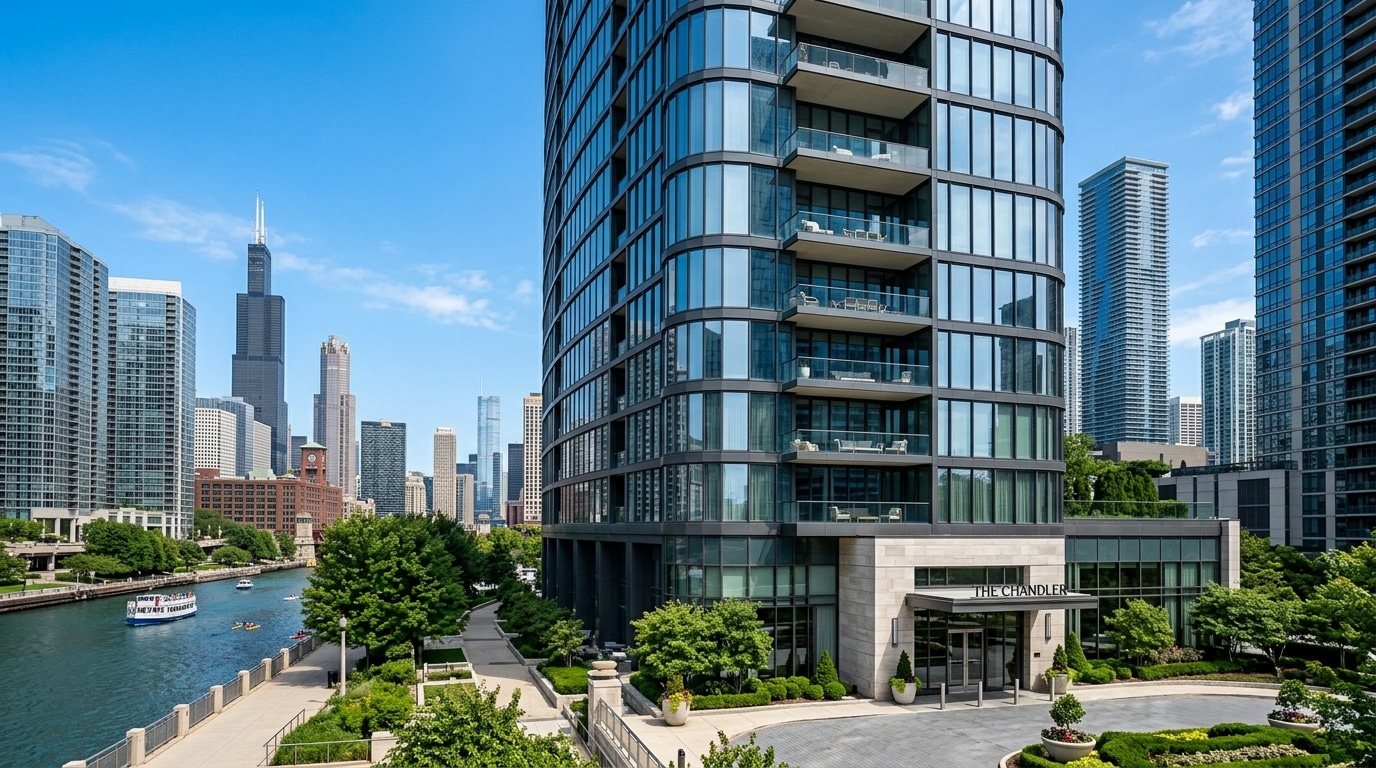
Buying a condo in Chicago involves navigating complex HOA documents and financial assessments governed by the Illinois Condominium Property Act. Understanding these elements is critical for protecting your investment and preventing legal pitfalls.
Navigating the Complexities of Buying a Condo in Chicago
Purchasing a condominium in Chicago, Cook County, or DuPage County differs significantly from buying a single-family home. While you own your unit, you also acquire a share of the common elements and become a member of the Condominium Association (HOA). This shared ownership means your property rights and financial obligations are intertwined with the association's governance and the decisions of fellow unit owners. The Illinois Condominium Property Act (765 ILCS 605/) provides the legal framework for these unique arrangements, making expert legal guidance essential.
Deciphering Condo HOA Documents: Your Legal Safeguard in Illinois
Condo HOA documents in Illinois are your primary legal safeguard, outlining your rights, responsibilities, and financial commitments as a unit owner. These documents dictate everything from architectural standards to pet policies, significantly impacting your enjoyment and the value of your property. An attorney’s thorough review ensures you understand these critical provisions before committing to a purchase.
The Declaration of Condominium and Bylaws
The Declaration of Condominium is the foundational document establishing the condominium property. It defines the boundaries of your individual unit, identifies common elements (shared spaces like hallways, roofs, and amenities), and specifies the percentage of ownership interest each unit holds. This percentage often determines your voting power and assessment share.
The Bylaws elaborate on the Declaration, detailing the internal operations of the Condominium Association. They cover election procedures for the board of directors, meeting protocols, assessment collection methods, maintenance responsibilities for both unit owners and the association, and dispute resolution processes. Understanding these documents is paramount, as they are legally binding on all unit owners.
Rules and Regulations
Beyond the Declaration and Bylaws, most HOAs have a separate set of Rules and Regulations. These can cover specific operational aspects such as pet restrictions, rental policies, parking rules, noise guidelines, and alteration procedures for units. For instance, if you plan to rent out your condo, restrictive rental caps or prohibitions found in the Rules and Regulations can derail your investment strategy. Similarly, if you have a beloved pet, a strict no-pet policy or weight limits could prevent your purchase.
Board Meeting Minutes
Reviewing the past 12-24 months of Board Meeting Minutes offers invaluable insight into the association's ongoing concerns. These minutes reveal discussions about significant upcoming expenses, pending or past litigation, structural issues, disputes among residents, or proposed changes to the Declaration or Bylaws. They can highlight potential problems that might not be apparent from the financial statements alone, such as a history of deferred maintenance or contentious board elections.
Understanding Condo Assessments, Reserves, and Special Assessments in Chicago
Condo assessments cover common expenses, reserves fund future repairs, and special assessments address unexpected, significant financial needs beyond the scope of regular budgeting. Neglecting to scrutinize these financial components can lead to unforeseen liabilities for a new owner.
Regular Assessments
Regular assessments (or HOA dues) are monthly fees paid by unit owners to cover the operating expenses of the association. These typically include utilities for common areas, landscaping, insurance for the building's common elements, management fees, routine maintenance, and contributions to the reserve fund. The amount is usually determined by each unit's percentage of ownership interest. Buyers must ensure these regular assessments are reasonable and that the association has a history of financial stability.
Reserve Study and Funds
A reserve fund is a savings account for the condominium association, earmarked for significant, non-recurring expenses like roof replacements, elevator modernizations, or major tuckpointing projects. A healthy reserve fund, guided by a recent reserve study, indicates that the association is proactively planning for future capital expenditures. Associations with insufficient reserves are often forced to levy special assessments when major repairs become necessary, burdening current unit owners. Illinois law encourages associations to maintain adequate reserves, and a robust reserve study provides a roadmap for ensuring the long-term financial health of the building.
Special Assessments
A special assessment is a one-time fee levied against unit owners to cover an unbudgeted expense or a shortfall in the reserve fund. These can range from a few hundred to tens of thousands of dollars, depending on the scope of the project and the number of units. Identifying potential or declared special assessments is a critical part of due diligence. An experienced attorney will review the 22.1 disclosure, board minutes, and financial statements to uncover any discussions or plans for special assessments, which could significantly impact your initial investment.
The Illinois Condominium Property Act (765 ILCS 605/) and the 22.1 Disclosure
The Illinois Condominium Property Act (765 ILCS 605/) governs the formation, management, and operation of condominiums throughout Illinois, providing a framework for unit owner rights and association responsibilities. Central to a condo purchase under this Act is the Section 22.1 disclosure, a mandatory document providing critical financial and legal information about the association and the unit.
Under Section 22.1 of the Illinois Condominium Property Act (765 ILCS 605/22.1), sellers are required to provide prospective buyers with a comprehensive packet of information before closing. This disclosure includes:
- Declaration, Bylaws, and Rules & Regulations: The governing documents discussed previously.
- Current Operating Budget and Financial Statements: Insight into the association's income and expenditures, including a balance sheet and income statement.
- Reserve Fund Information: Details on the current balance, history of contributions, and any recent reserve studies.
- Statement of Assessments Due: Confirmation that the seller's assessments are paid up to date, and any pending special assessments.
- Pending or Threatened Litigation: Disclosure of any lawsuits involving the association, which could impact finances or property values.
- Capital Expenditures: A list of anticipated major repairs or improvements for the next two years.
- Rental Information: Any restrictions on leasing units, including rental caps or minimum lease terms, vital for investors.
- Insurance Coverage: Details of the association's master insurance policy.
A thorough review of the 22.1 disclosure by a qualified attorney can uncover hidden liabilities, clarify ownership rights, and prevent future disputes. For instance, the disclosure might reveal ongoing structural litigation, insufficient insurance coverage, or a low owner-occupancy rate which could affect future financing options.
Why a Condo Closing Attorney is Indispensable in Chicago
A condo closing attorney in Illinois is indispensable, meticulously reviewing all documents, identifying potential risks, and protecting your interests from contract to closing. Given the unique complexities of condominium ownership, relying solely on your real estate agent is insufficient.
Michael A. Yashar, with 31 years of experience admitted to the Illinois bar in 1995, provides comprehensive legal representation for Chicago, Cook County, and DuPage County condo buyers. His role goes far beyond simple paperwork; it involves critical due diligence:
- Thorough Document Review: Your attorney will meticulously examine the Declaration, Bylaws, Rules and Regulations, and especially the Section 22.1 disclosure. This includes analyzing the association's financial health, identifying any potential for special assessments, reviewing past board meeting minutes for red flags, and ensuring the association's insurance is adequate.
- Identifying Litigation and Liens: An attorney will check for any pending or threatened litigation against the association, which could lead to significant financial liabilities. They will also review the title for any liens against the unit or the association, ensuring clear title transfer.
- Navigating Rental Restrictions: If you intend to rent your condo, an attorney will ensure there are no rental caps, prohibitions, or overly restrictive rules that could jeopardize your investment.
- Contract Negotiation and Amendments: Your attorney will negotiate on your behalf to include contingencies protecting you if the HOA documents reveal unacceptable conditions, or to address issues like repair credits.
- Closing Representation: On closing day, your attorney ensures all documents are accurate, funds are properly disbursed, and the title is conveyed free and clear of encumbrances. They act as your advocate throughout the entire process, safeguarding your interests against unforeseen problems common in complex real estate transactions.
Attempting to navigate these intricate legal and financial waters without experienced legal counsel can expose buyers to substantial risks. Michael A. Yashar's deep understanding of the Illinois Condominium Property Act and local market nuances ensures clients make informed decisions and avoid costly mistakes.
Frequently Asked Questions
Q: What is the Illinois Condominium Property Act? A: The Illinois Condominium Property Act (765 ILCS 605/) is the state law governing the creation, operation, and management of condominium associations in Illinois, outlining rights and responsibilities for both unit owners and the HOA.
Q: What is a Section 22.1 disclosure, and why is it important when buying a condo in Chicago? A: A Section 22.1 disclosure is a mandatory document provided by the seller, containing crucial information about the condominium association's financials, governing documents, litigation, and upcoming expenditures. It's vital for informed decision-making and identifying potential risks.
Q: Why are condo reserves important? A: Condo reserves are funds set aside by the HOA for major capital improvements and unexpected repairs (e.g., roof replacement). Adequate reserves prevent the need for large, sudden special assessments on unit owners.
Q: Can an HOA prevent me from renting out my Chicago condo? A: Yes, an HOA's Declaration or Bylaws can impose significant restrictions on renting units, including rental caps, minimum lease terms, or outright prohibitions. Always review these documents with an attorney if you plan to lease your unit.
Q: What is a special assessment, and how does it affect a condo buyer? A: A special assessment is an additional, one-time fee levied by the HOA to cover unbudgeted expenses or a reserve fund shortfall. For buyers, it can mean significant unexpected costs if one is pending or anticipated.
Q: When should I hire a real estate attorney for a condo purchase in Chicago? A: You should engage a real estate attorney as early as possible, ideally immediately after your offer is accepted and before the attorney review period expires, to ensure proper due diligence on HOA documents and contracts.
Q: What are common legal pitfalls when buying a condo in Cook County? A: Common pitfalls include insufficient reserve funds leading to special assessments, undisclosed litigation against the HOA, restrictive rental policies, unrecorded liens, and a lack of understanding of the HOA's governing documents.
When considering a condominium purchase in Chicago, Cook County, or DuPage County, the complexities of HOA documents, assessments, and the Illinois Condominium Property Act demand experienced legal counsel. Protect your investment by partnering with an attorney who understands these nuances. Contact the Law Offices of Michael A. Yashar today at (312) 420-0333 for trusted real estate guidance.
This article is for informational purposes only and does not constitute legal advice. For advice specific to your situation, contact the Law Offices of Michael A. Yashar at (312) 420-0333.