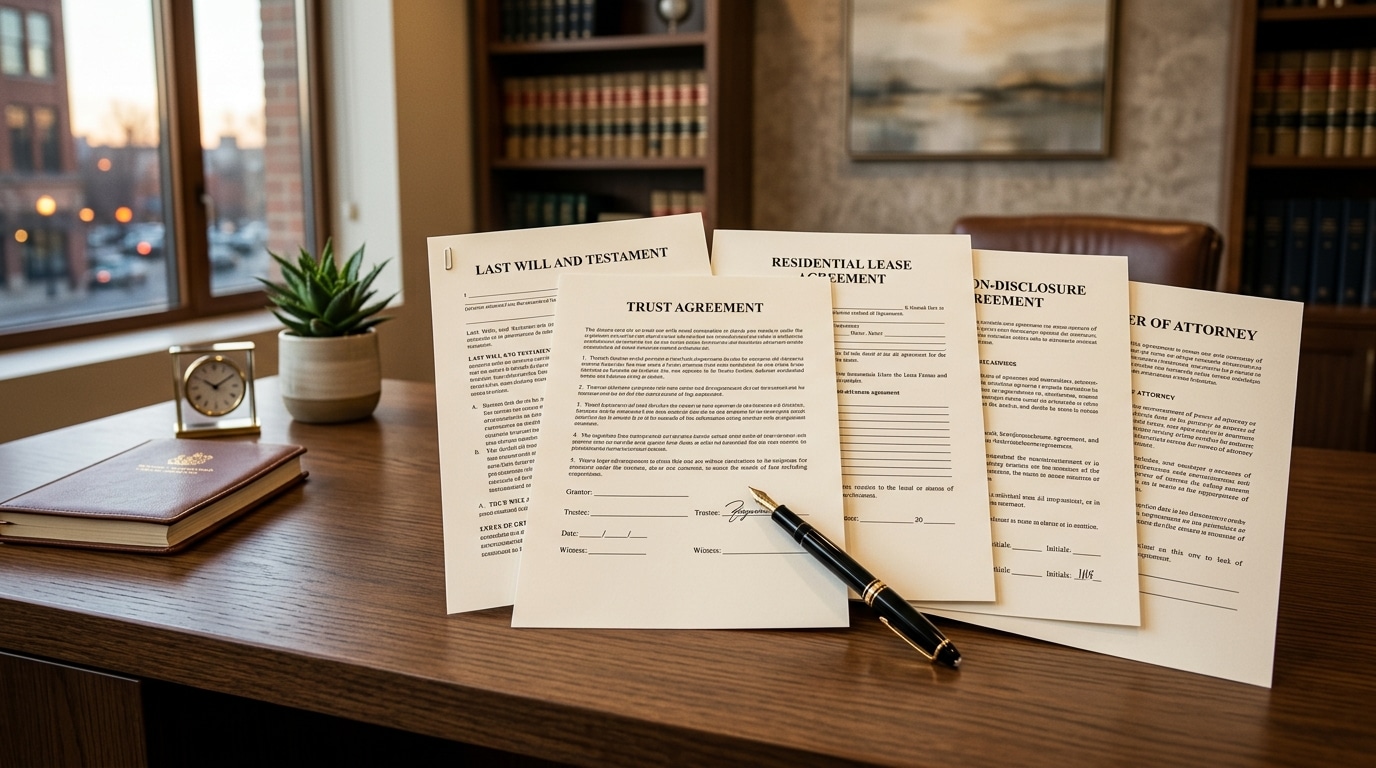
Essential legal documents Illinois adults need include a will, durable and healthcare powers of attorney, a living will, and HIPAA authorization to protect their future. These fundamental legal instruments form the bedrock of a comprehensive personal and financial plan, ensuring your wishes are honored, your assets are protected, and your loved ones are cared for, no matter what challenges life may bring. For residents across Chicago, Cook County, DuPage County, and throughout Illinois, understanding and establishing these documents is not merely a legal formality; it's a profound act of foresight and responsibility.
With 31 years of experience serving clients in Illinois, Michael A. Yashar and his team at the Law Offices of Michael A. Yashar have guided countless individuals and families through the complexities of estate planning and personal preparedness. Admitted to the Illinois bar in 1995, Attorney Yashar brings a deep understanding of state law and a practical, empathetic approach to helping you secure your future. This article outlines the five critical documents every Illinois adult should consider, explaining their purpose, their importance, and the significant consequences of neglecting them.
What are the essential legal documents Illinois adults should consider?
The essential legal documents Illinois adults should consider are a Last Will and Testament, a Durable Power of Attorney for Property, a Healthcare Power of Attorney, a Living Will Declaration, and a HIPAA Authorization. These documents, collectively, provide a robust framework for managing your affairs, making medical decisions, and distributing your assets according to your wishes, should you become incapacitated or pass away. Proactive planning using these tools can prevent considerable stress, expense, and potential conflict for your family, while ensuring your autonomy remains paramount.
The Cornerstone of Your Legacy: The Illinois Last Will and Testament
A Last Will and Testament is a legally binding document that outlines how your assets (property, money, and possessions) should be distributed after your death. It also allows you to name guardians for minor children, designate an executor to manage your estate, and even specify funeral or burial arrangements. For residents of Chicago, its suburbs, and all of Illinois, creating a will is the most straightforward way to ensure your legacy is managed according to your intentions.
Why it matters: Without a valid will, your estate is considered "intestate," meaning the state of Illinois dictates how your assets are distributed based on statutory guidelines outlined in the Illinois Probate Act of 1975 (755 ILCS 5/2-1). This can lead to outcomes that don't align with your family's needs or your personal wishes, potentially leaving out certain loved ones or causing family disputes. A will empowers you to:
- Direct asset distribution: Ensure specific assets go to specific individuals or charities.
- Name guardians for minors: Designate who will care for your children, preventing a court from making this deeply personal decision.
- Appoint an executor: Choose a trusted person to manage your estate's affairs, pay debts, and distribute assets.
- Minimize family conflict: Clearly articulated wishes can reduce disagreements among beneficiaries.
- Potentially reduce probate costs and time: While not avoiding probate entirely, a clear will can streamline the process.
What happens without it: If you die without a will in Illinois, your estate will be subject to the state's laws of intestacy. This means:
- Asset distribution by statute: Your assets will be divided among your closest relatives (spouse, children, parents, siblings) according to rigid legal formulas. For example, if you have a spouse and children, your spouse receives half of your estate, and your children share the other half. If you have no spouse or children, your parents and siblings might inherit. This might not include a significant other, step-children, or charities you intended to support.
- Court-appointed guardianship for minors: If you have minor children, the Cook County or DuPage County Circuit Court will appoint a guardian, potentially someone you wouldn't have chosen, after a potentially lengthy and emotionally draining court process for your family.
- Court-appointed administrator: The court will appoint an administrator to manage your estate, who may be a stranger or someone less equipped than your chosen executor.
- Increased costs and delays: The lack of a will often prolongs the probate process and can increase legal fees as the court navigates the intricacies of intestate succession.
Empowering Trusted Representation: Illinois Powers of Attorney
Powers of attorney (POAs) are vital legal documents that grant authority to a trusted individual (your "agent" or "attorney-in-fact") to make decisions on your behalf if you become incapacitated or are otherwise unable to manage your own affairs. Illinois law recognizes different types of powers of attorney, with the Durable Power of Attorney for Property and the Healthcare Power of Attorney being the most crucial for comprehensive planning. These are governed by the Illinois Power of Attorney Act (755 ILCS 45/).
The Durable Power of Attorney for Property
A Durable Power of Attorney for Property grants your agent the legal authority to manage your financial, legal, and business affairs. This can include everything from paying bills, managing investments, selling property, accessing bank accounts, filing taxes, and handling insurance claims. "Durable" means the document remains effective even if you become incapacitated.
Why it matters: Life is unpredictable. An accident, illness, or age-related decline could leave you temporarily or permanently unable to manage your finances. A Durable Power of Attorney for Property ensures that your financial responsibilities continue to be met without interruption, protecting your assets and your dependents. It allows you to:
- Maintain financial stability: Bills get paid, investments are managed, and your financial life continues seamlessly.
- Avoid guardianship proceedings: Without this document, your family would have to petition the Cook County or DuPage County Circuit Court for guardianship, a process that is often expensive, time-consuming, public, and can strip you of your legal autonomy (755 ILCS 5/11a-1, 755 ILCS 5/11-3).
- Choose your decision-maker: You select a person you trust implicitly to handle your financial matters, someone who understands your values and priorities.
- Tailor the authority: You can grant broad or limited powers, specify when the POA becomes effective (immediately upon signing or upon a doctor's certification of incapacity), and include specific instructions.
What happens without it: If you become incapacitated without a Durable Power of Attorney for Property, your loved ones face a daunting challenge:
- Guardianship court process: Your family will likely need to petition the Circuit Court for a "guardianship of the estate." This involves court hearings, legal fees, and ongoing court supervision, and it can be a significant emotional and financial burden during an already difficult time.
- Frozen assets: Bank accounts and other assets may become inaccessible, making it difficult to pay your bills, manage your property, or provide for your care.
- Loss of control: The court, not you, will ultimately decide who manages your finances and how, potentially appointing someone you would not have chosen.
The Healthcare Power of Attorney
A Healthcare Power of Attorney designates an agent to make medical decisions on your behalf if you are unable to communicate or make those decisions yourself. This includes choices about treatments, medications, surgeries, and even end-of-life care, ensuring your healthcare wishes are respected.
Why it matters: This document is crucial for preserving your autonomy in healthcare matters and alleviating an immense burden from your family. It empowers your agent to:
- Communicate your wishes: Ensure medical professionals understand your preferences regarding treatment, even if you cannot speak for yourself.
- Avoid family disputes: Prevents disagreements among family members about the best course of action during a medical crisis.
- Facilitate timely decisions: Allows for prompt medical decisions without needing court intervention, which can be critical in emergencies.
- Relieve emotional stress: Your family will have the peace of mind knowing they are carrying out your specific wishes, rather than guessing what you would want.
What happens without it: Without a Healthcare Power of Attorney, medical decisions will default to family members (often in a specified order, like spouse, adult children, parents) or, in the absence of agreement, potentially to the medical team or even a court-appointed guardian.
- Delayed medical care: Disagreements among family members or the need for court intervention can delay critical medical treatment.
- Ethical dilemmas for doctors: Healthcare providers may be hesitant to act without clear legal authority, especially in complex situations.
- Emotional burden on family: Loved ones may face the agonizing task of making life-or-death decisions without clear guidance from you, leading to guilt, conflict, and regret.
- Guardianship of the person: If no agreement can be reached, a court may appoint a "guardian of the person" to make healthcare decisions, again, a public, costly, and potentially undesirable outcome.
Directing Your Medical Future: The Illinois Living Will and HIPAA Authorization
While the Healthcare Power of Attorney designates who makes decisions, the Living Will and HIPAA Authorization specify what those decisions should be regarding your medical care and who can access your medical information.
The Illinois Living Will Declaration
An Illinois Living Will Declaration (also known as an advance directive) is a legal document that expresses your wishes concerning the use of life-sustaining treatment if you become terminally ill or permanently unconscious. Unlike a Healthcare Power of Attorney, which designates an agent, a Living Will directly states your preferences. It becomes effective when two physicians certify that you have a terminal condition or are in a permanent unconscious state, and that death is imminent or you will never regain consciousness. The Illinois Living Will Act (755 ILCS 35/1) governs these declarations.
Why it matters: A Living Will is a powerful statement of your personal autonomy, ensuring your end-of-life wishes are respected. It is particularly important for:
- Preserving dignity: You decide whether to prolong life artificially when there is no reasonable hope of recovery.
- Guiding medical teams: Provides clear instructions to doctors regarding your preferences for life support, feeding tubes, and other interventions.
- Reducing family distress: Removes the burden of making incredibly difficult, emotionally charged decisions during a crisis, as your choices are already documented.
- Avoiding prolonged suffering: Prevents unwanted medical interventions that may extend suffering without improving quality of life.
What happens without it: If you do not have a Living Will, medical professionals and your family may be forced to make difficult end-of-life decisions without knowing your preferences.
- Default interventions: Without clear instructions to the contrary, medical professionals are often legally and ethically bound to provide all available life-sustaining treatments.
- Family conflict: Disagreements among family members about the appropriate course of action can arise, leading to stress and division.
- Extended suffering or unwanted treatment: You might receive medical interventions you would not have desired, potentially prolonging a state of permanent unconsciousness or terminal illness.
The HIPAA Authorization
The Health Insurance Portability and Accountability Act (HIPAA) is a federal law that protects the privacy of your medical information. While crucial for patient privacy, it can inadvertently hinder your loved ones or your appointed healthcare agent from accessing vital health information when you're unable to communicate. A HIPAA Authorization form specifically grants permission for designated individuals (e.g., your spouse, adult children, or your Healthcare Power of Attorney agent) to receive your protected health information (PHI).
Why it matters: Even if you have a Healthcare Power of Attorney, without a separate HIPAA Authorization, your agent or family members might face difficulties obtaining necessary medical information from healthcare providers. This document is essential for:
- Effective healthcare decision-making: Your healthcare agent needs access to your medical records to make informed decisions on your behalf.
- Family communication: Allows your loved ones to communicate with doctors and understand your condition and treatment plan.
- Seamless care coordination: Ensures that all parties involved in your care have the necessary information.
- Avoiding delays: Prevents situations where medical providers refuse to share information due to privacy concerns, causing delays in care or communication.
What happens without it: Without a HIPAA Authorization, even your closest family members or your Healthcare Power of Attorney agent may be denied access to your medical information.
- Communication barriers: Doctors and hospitals may be legally prohibited from discussing your condition, prognosis, or treatment options with your family or agent.
- Impeded decision-making: Your healthcare agent might struggle to make the best decisions without a complete picture of your medical status.
- Frustration and delays: Loved ones may experience significant frustration and delays in trying to get updates or clarify medical information, adding to their stress during a critical time.
Benefits of Proactive Estate Planning in Illinois
Taking the time to prepare these five essential estate documents Chicago area residents and all Illinois adults need is an investment in your future and the peace of mind of your loved ones. Michael A. Yashar, with his three decades of experience, understands the nuanced requirements of Illinois law and the personal considerations involved in such planning. He emphasizes that proactive legal planning offers numerous benefits:
- Peace of Mind: Knowing your affairs are in order provides unparalleled tranquility. You rest assured that your wishes will be respected, and your family will be spared unnecessary burdens.
- Protection of Loved Ones: These documents are a gift to your family, preventing disputes, simplifying administrative tasks, and ensuring they have clear guidance during difficult times.
- Asset Preservation: A well-crafted will and durable power of attorney help safeguard your assets from unnecessary taxes, probate costs, and potential mismanagement.
- Personal Autonomy: You maintain control over critical life decisions, from financial management to healthcare choices, even if you become incapacitated.
- Efficiency and Cost Savings: While there's an initial investment, properly prepared documents can save significant time and money by avoiding lengthy, costly, and public court proceedings like guardianship or contested probate.
For anyone in Chicago, Cook County, DuPage County, or the surrounding Illinois communities, these documents represent an indispensable Illinois legal checklist for adulthood. The legal landscape in Illinois is specific, with statutes such as the Illinois Probate Act (755 ILCS 5/ et seq.), the Illinois Power of Attorney Act (755 ILCS 45/ et seq.), and the Illinois Living Will Act (755 ILCS 35/ et seq.) dictating the requirements for validity and effect. Navigating these complexities effectively requires the guidance of an experienced legal professional.
Frequently Asked Questions
Q: Do I need a will if I don't have many assets? A: Yes, even if your assets are modest, a will is crucial. It allows you to specify who inherits, designate guardians for minor children, and choose your executor, preventing the state from dictating these important decisions.
Q: What's the difference between a durable power of attorney and a healthcare power of attorney? A: A Durable Power of Attorney for Property grants authority over your financial and property matters, while a Healthcare Power of Attorney grants authority specifically for medical decisions. Both are "durable," meaning they remain effective if you become incapacitated.
Q: Can I update these documents after they are created? A: Absolutely. It is highly recommended to review and update your legal documents periodically, especially after significant life events such as marriage, divorce, birth of a child, death of a beneficiary or agent, or a change in your financial situation or wishes.
Q: How long does probate take in Illinois? A: The length of the probate process in Illinois can vary significantly, typically ranging from 9 months to 2 years or even longer for complex estates. Factors influencing this include the size and complexity of the estate, whether there are disputes, and the efficiency of the Cook County or DuPage County Probate Court.
Q: Is a living will legally binding in Illinois? A: Yes, an Illinois Living Will Declaration is a legally binding document that directs medical professionals regarding life-sustaining treatment if you are terminally ill or permanently unconscious, provided it meets the requirements of the Illinois Living Will Act (755 ILCS 35/1).
Q: How old do I have to be to create these documents in Illinois? A: In Illinois, you must be at least 18 years old and of sound mind (having the mental capacity to understand the nature and effect of the document) to execute a valid will, power of attorney, living will, or HIPAA authorization.
Q: What happens if I move out of Illinois after creating these documents? A: While these documents are generally recognized across state lines, it's wise to have an attorney in your new state review them. Laws vary, and re-executing documents to comply with new state-specific requirements can prevent potential complications and ensure they are fully effective.
Proactive legal planning is a cornerstone of responsible adulthood. By establishing these five essential legal documents, you gain invaluable peace of mind, ensure your wishes are respected, and provide critical support for your loved ones during challenging times. Attorney Michael A. Yashar brings 31 years of experience navigating the intricacies of Illinois law, offering personalized guidance to help you craft a plan that truly reflects your unique circumstances and goals.
Don't leave your future to chance or the default rules of the state. Take control of your legacy and well-being. Contact the Law Offices of Michael A. Yashar today at (312) 420-0333 to schedule a consultation and begin securing your future.
This article is for informational purposes only and does not constitute legal advice. For advice specific to your situation, contact the Law Offices of Michael A. Yashar at (312) 420-0333.